It’s one of those modern parenting dilemmas that feels almost mythical in its difficulty. You successfully navigate years of gift-giving—the sports jerseys, the fancy gadgets, the nice tools—but then retirement hits, and suddenly, the old formula breaks down. The gifts that used to bring joy now just feel like more stuff cluttering up an already comfortable life. Finding what to give a father who is retired and bored isn't about finding an object; it's about solving for purpose.
The truth is, when professional routine vanishes, the void can be immense. Retirement is not an ending; it’s a massive, unscripted chapter opening up. The challenge lies in helping him pivot from being defined by his job title to being defined by himself. We need gifts that don't just occupy time but genuinely restore curiosity and connection.
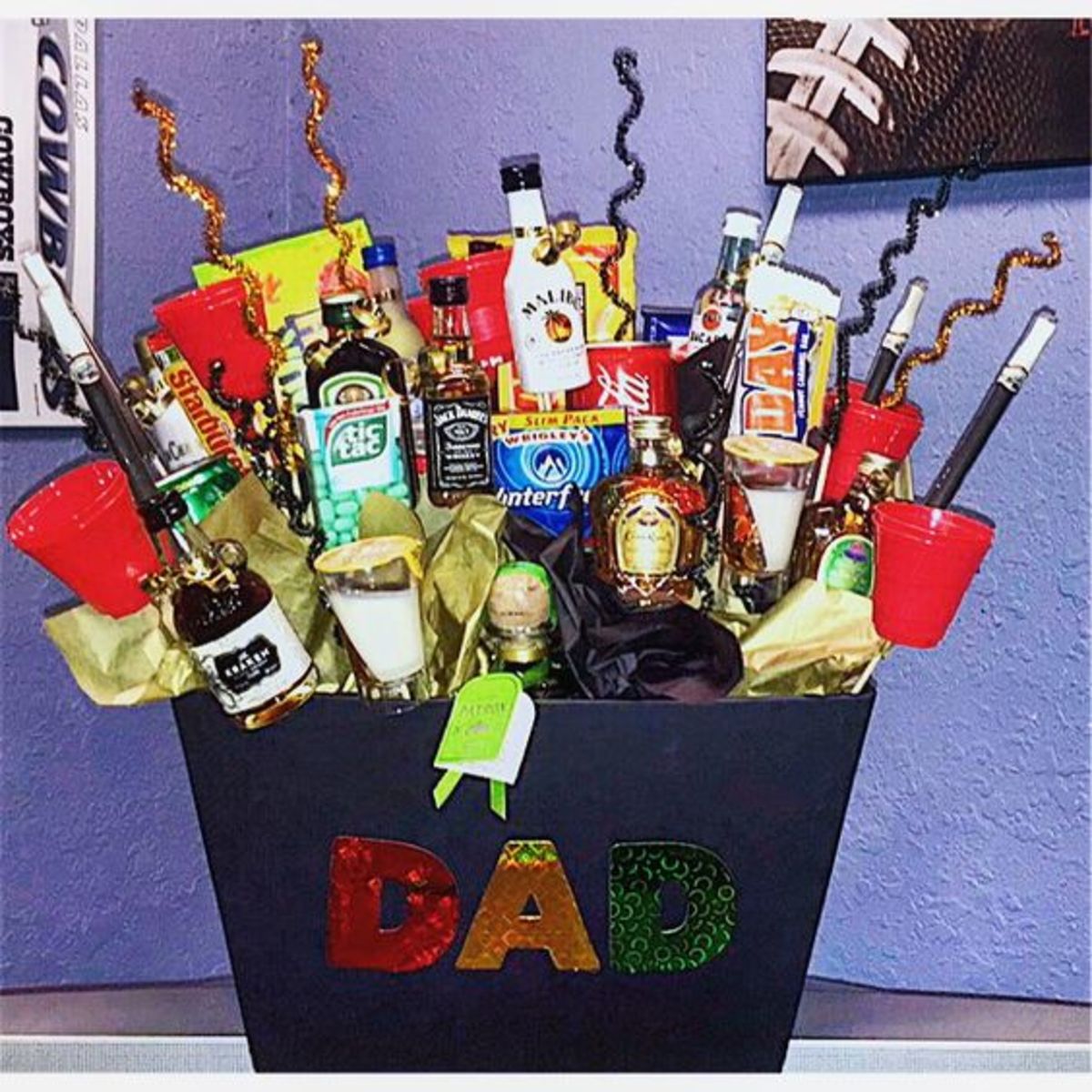
Investing in Experiences Over Things
If your father is already surrounded by comfort, the most valuable gift you can give—and arguably, what to give a father who is retired and bored—is an experience. Objects are static; memories are infinitely flexible. Instead of buying another gadget for his workshop or another book for his shelf, focus on creating shared moments that expand his world.
These experiences don't have to be grand trips across continents. Sometimes the most meaningful outings are local, yet profoundly different from his daily grind. Consider these ideas:
- Skill-Building Adventures: Think about a weekend pottery class, a mixology workshop, or learning basic woodworking together. The gift here is the shared struggle and eventual triumph—the process matters more than the final product. Curated Day Trips: Plan an itinerary around a topic he’s always mentioned liking: a local historical site, a specific type of cuisine (and booking a private cooking class based on it), or visiting a botanical garden far away. This shows active listening and commitment.
I remember my uncle, who was otherwise perfectly happy with his routine. After retirement, he just seemed to drift through the days. We realized he missed the feeling of being challenged. So we signed him up for a competitive amateur bridge league—something entirely new to him. Within three months, he wasn't just playing; he was leading the study group and even teaching newer members. It proved that sometimes, the greatest gifts are structured challenges.
Igniting Intellectual Curiosity Through Lifelong Learning
The professional world provides constant, mandatory learning. Retirement removes that structure. To counteract this intellectual vacuum, you must gently reintroduce structured, voluntary ways for him to engage his mind. This is where hobbies can transform from mere pastimes into genuine passions.
If he has always expressed an interest in history, genealogy, or science, look into local community college courses or reputable online platforms like MasterClass. The goal isn't just the certificate; it’s the community of people who are equally curious and willing to engage deeply with a subject.
One might ask, "Does he have enough free time already?" Yes, he does—far too much. But boredom often masks an underlying lack of direction. A good resource can act like a compass, pointing him toward an area where his brain feels the satisfying stretch of being challenged. This intellectual refueling is key to figuring out what to give a father who is retired and bored.
"The purpose of life is not to be happy. It is to be useful, to seve, to this world, to better ourselves and to lighten the load of life." — Ernest Emerson
Reconnecting Through Service and Physical Movement
Sometimes, the best way to fill a void isn't with consumption or intellectual pursuit, but with contribution. Giving back shifts focus outward—from "what am I doing?" to "how can I help?". This is incredibly powerful for maintaining purpose and building new social structures.
Volunteering allows him to leverage years of professional expertise without the corporate stress. If he was an accountant, perhaps he could volunteer tax prep time for a local charity. If he enjoyed managing people, mentoring young professionals at a university career center would be perfectly aligned.
Physical activity serves both body and mind. It’s the perfect antidote to sedentary days. Instead of buying new fitness equipment (which will eventually gather dust), sign him up for something that requires commitment:
- A hiking club with defined trails. A local cycling group meeting weekly. Taking up fly fishing, which combines physical effort with patience and focus.
What does this all boil down to? Consistency. The initial enthusiasm will wane without a predictable rhythm. Finding a new routine is the real gift here.
Weaving Time into Shared Stories
Ultimately, no matter how much money you spend or how many classes you enroll him in, nothing replaces your time. This section addresses the emotional side of the dilemma: making sure he feels seen and valued for who he is now, not just who he was when he had a paycheck.
A meaningful gift can be curated entirely from shared memories. Create a "Story Project"—perhaps recording interviews with him about his life, or physically creating a family scrapbook that doesn't just contain photos, but anecdotes written next to them. This honors the narrative of his life and helps him see the value in his accumulated wisdom.
Ask yourself: What stories has he told a million times? Which ones deserve a beautiful record?
The effort involved in gathering these stories—the gentle prodding, the active listening, the coordination of family members—is what makes this gift priceless. It shows that you value his mind and his history, not just his potential for fun. This empathetic approach is perhaps the most profound answer to what to give a father who is retired and bored.

Designing a Fulfilling Next Chapter Together
The transition into retirement requires more than consumer goods; it demands a new internal architecture of purpose. Your role, as family, is to be part of his co-pilot in this journey. Don't just wait for him to find a passion—help Fathers Day Hampers Australia 2026 him prototype several until he finds the one that sticks.
Start by having thoughtful conversations, not gift discussions. Ask questions like:
- "If you had unlimited time and no financial constraints, what would you spend your days doing?" "What skill did you always wish you knew how to do?" "Who is a person (historical or living) whose life story fascinates you?"
By focusing on curiosity rather than cure, you move the goalposts from "boredom" to "opportunity." If you commit to supporting his exploration—whether it’s buying him admission to a museum exhibit, paying for a workshop fee, or simply scheduling an afternoon dedicated solely to listening—you've given him something far more valuable than any object: permission to redefine joy.
If this guide helped clarify your path forward, consider sharing the best advice with other parents who might be facing this same rewarding challenge. A quick conversation can spark a new idea for connection and purpose for everyone involved.