Picture this: the courier drops a ribbon-tied box on your doorstep, the aroma of cedar shavings escapes as you lift the lid, and a tiny wedge of midnight-blue cheese whispers, “Pair me with the honey in the corner pocket.” That moment—equal parts curiosity and delight—is exactly why cheese remains the crown jewel of most gourmet hampers. Yet many recipients peer inside and silently ask, “What cheese selections are in gourmet hampers, and how on earth do I serve them?” If that sounds familiar, settle in; we’re about to turn mystery into mastery.
Why Cheese Is the Star of the Hamper
Cheese offers three things every gift-giver covets: luxury, longevity, and a built-in conversation starter. Unlike fresh berries that slump after a day or two, a well-chosen wheel or wedge can wait patiently for the right occasion. Its textures and flavors range from feather-light goat to brooding washed-rind, giving hamper curators a broad palette to balance sweet, salty, and sparkling companions. In short, cheese is the edible equivalent of a Swiss Army knife—versatile, reliable, and surprisingly fun to show off.
The Classic Quartet: Almost Every Hamper Contains These
Walk through any up-market deli and you’ll spot the same four musketeers in countless gift baskets. They’re popular not because they’re boring, but because they guarantee safe passage across a crowd of palates.
- Cheddar—Usually a clothbound or 18-month cave-aged variety, crumbly yet creamy with those crunchy tyrosine crystals that make tasters grin. Brie—A soft-ripened wheel that oozes like fondant under the rind; mild enough for newbies, complex enough for aficionados. Blue—Often a mellow Gorgonzola or a punchy Stilton to provide the salty foil everyone remembers. Smoked Cheese—Frequently an apple-wood cheddar or smoked Dutch gouda that perfumes the whole hamper and hints at campfire stories.
Curators rely on this quartet because it covers the four major sensory bases: sharp, soft, pungent, and aromatic. Add a box of water crackers and a jar of sour-cherry conserve and the recipient can host an imprompty tasting without extra errands.
Regional Showstoppers You’ll Spot in Premium Baskets
French Icons
Champagne might get the headlines, but French hampers know the real secret is cheese. Expect a oozing Époisses—so aromatic it’s banned on some Parisian trains—or a nutty 24-month Comté that melts like silky toffee on the tongue. These wheels travel well, age gracefully, and telegraph sophistication without saying a word.
British Territorials
The UK’s gift-basket scene loves territorial cheeses named after counties and villages. A crumbly Lancashire brings buttery tang, while a waxed Red Leicester supplies both color and caramel notes. Pair them with the included bottle of mellow ale and you’ve got a pub experience minus the sticky tables.
Mediterranean Charms
Italy and Spain slip into upscale hampers with semi-firm treasures like Taleggio or Manchego. Both cheeses balance fruit-forward olive oils that often share the box, creating a harmonious regional narrative: sun, stone cottages, and lazy afternoons.
Pairing cliché alert: “What grows together, goes together.” But honestly, whoever coined that phrase probably had a mouthful of manchego drizzled with Andalusian honey and realized it was pointless to argue with delicious simplicity.
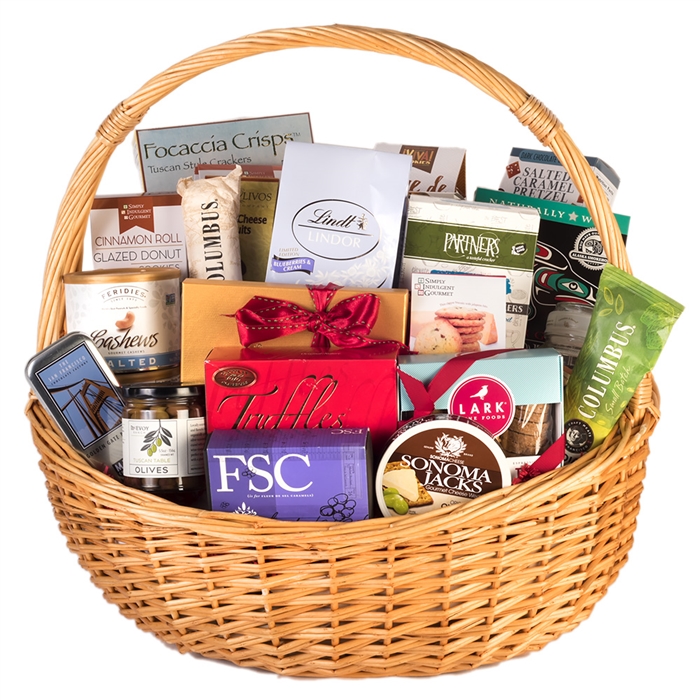
Artisan Additions That Elevate the Experience
Mass-produced slices have their place—sandwiches and school lunches come to mind—but gourmet hampers lean toward the bespoke. Look for small-batch marvels such as:
- Truffle-infused gouda that tastes like a walk through an autumn forest. A net-wrapped goat’s button rolled in edible ash, offering dramatic color contrast on a cheese board. Clothbound cheddar finished in whiskey barrels, because why should drinks have all the fun?
These additions raise the perceived value of the hamper, yes, but more importantly they introduce recipients to flavors they would rarely buy for themselves. Gift-giving gold.

How to Identify Quality When You Can’t Taste First
A hamper description can gush about “artisan” and “farmstead,” but how do you separate marketing fluff from the real deal? Keep an eye out for:
- PDO/AOP labels: Europe’s protected-origin stamps indicate authentic methods and terroir. Milk type and source: “Raw cow’s milk from a single herd” signals careful handling; vague phrasing like “natural cheese” could mean anything. Packaging notes: Vacuum-sealed is fine for transport, but parchment paper wrapping followed by waxed paper lets the cheese breathe and prevents that unfortunate sweaty texture.
Remember, reputable retailers name the producer (“Quickes Traditional Cheddar”) rather than hiding behind generics (“Vintage English Cheddar”). Specificity is credibility you can taste.
Serving Tips to Wow Your Guests (or Just Yourself)
Cheese is the rare food that rewards procrastination. Pull it from the fridge 45–60 minutes before serving so the fats soften and aromas bloom. Arrange from mild to wild—no one Crackers & biscuits wants a palate-numbing blue to hijack the delicate goat cheese that follows. Provide two knives at minimum; cross-contamination sounds like a thriller subplot, but really it just wrecks flavor.
Here’s a quick anecdote: A friend once served an entire Époisses straight from cold storage, and the guests politely nibbled, assuming it was “supposed Anniversary gifts to taste like rubbery socks.” One hour later the same wheel sat gloriously gooey, and the platter was scraped clean. Temperature matters, folks.
Dietary Trends and Inclusive Options
Vegan hampers? Lactose-free selections? Modern curation embraces them. Nut-based “cheeses” made from cultured cashew cream mimic the tang of fresh chèvre, while coconut-oil gouda substitutes offer meltability for grilled cheese fanatics. Even blue-style varieties now exist, crafted with spirulina for color and umami depth.
As the plant-based movement matures, expect to see more aged, fermented blocks that forgo the usual starch fillers. They might not fool a French affineur, but they keep everyone at the picnic table happy—and isn’t inclusivity the real flavor of hospitality?
Storage Hacks to Make Good Cheese Last
Once opened, wrap cheese in waxed or baking paper first, then loosely in plastic; the double layer prevents moisture loss while curbing suffocation. Change the wrap every couple of days, trimming any surface blooming that looks suspect. Hard types like Parmesan can last weeks; softies such as ripe Brie demand a speedier reunion—think days, not weeks.
Freezing? Only in emergencies or for cooking. The curds break, textures crumble, and you’ll break the heart of anyone who believes cheese has feelings. (Some of us clearly do.)
Making Your Selection Count
Understanding what cheese selections are in gourmet hampers turns you from passive recipient to confident curator. Whether you’re gifting clients, thanking in-laws, simply upgrading movie night, keep three principles in mind: variety, provenance, and story. A hamper that balances safe crowd-pleasers with one adventurous wedge offers maximum delight. Traceable origins promise authenticity, and a short anecdote on a tasting card transforms each bite into a passport stamp.
Still wondering which hamper hits the mark? Ask yourself: Would I be excited to open this at the end of a long week? If the answer is a drool-affirmative, you’ve found your match. Go ahead, click “add to cart,” and let the courier bring the mountain dairies, coastal caves, and lavender-dusted fields right to your doorstep. Your future self—armed with crackers, preserves, and a sense of fromage-fueled accomplishment—will thank you.